
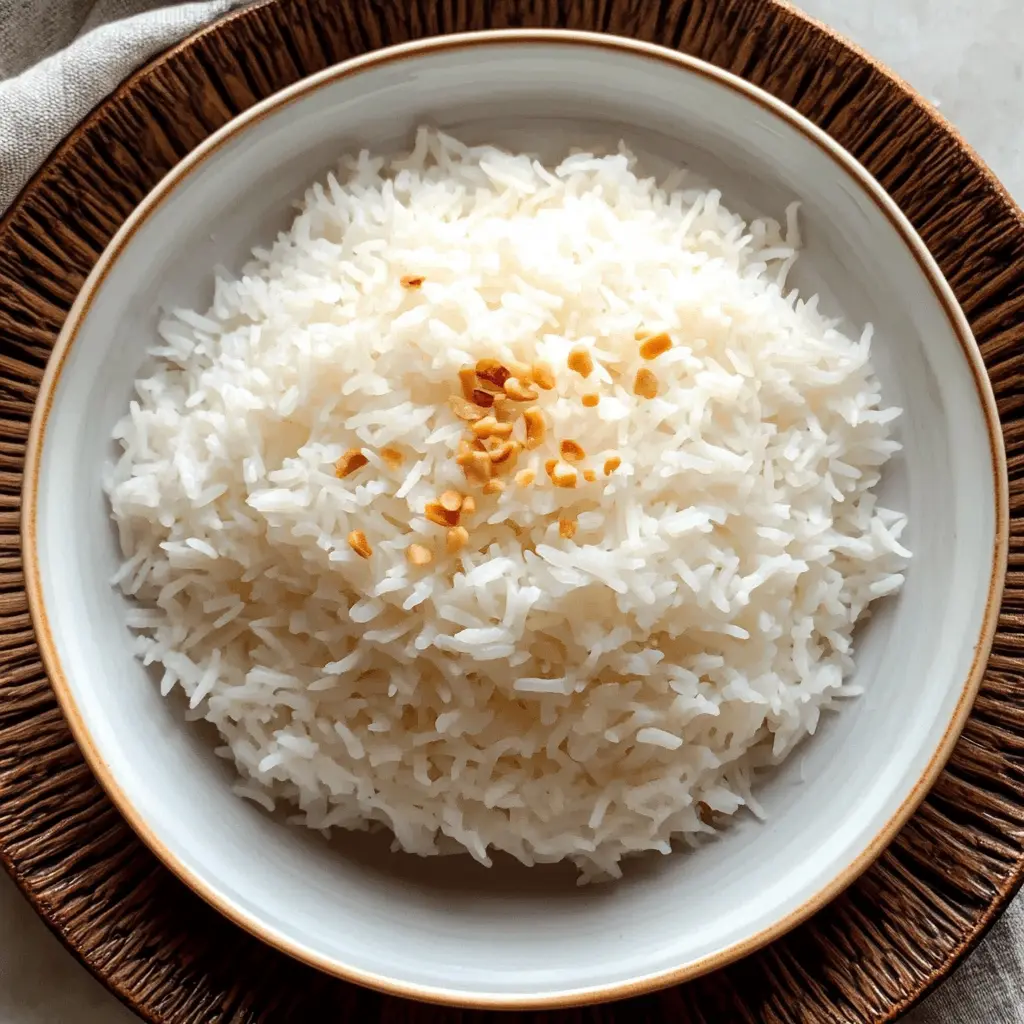
Embark on a flavorful journey through the heart of Thai cuisine with the captivating dish known as Thai Coconut Rice. This fragrant and creamy rice creation is a staple in Thai kitchens, offering a delightful balance of coconut essence and the subtle sweetness of jasmine rice. Whether you’re a seasoned Thai food enthusiast or new to the vibrant flavors of the region, mastering the art of Thai Coconut Rice is an experience worth savoring.
Table of Contents
Understanding the Essence of Thai Coconut Rice
Thai cuisine is renowned for its harmonious blend of sweet, sour, salty, and spicy elements. At the heart of this culinary tradition lies the humble yet captivating Thai Coconut Rice. This dish is a testament to the versatility of the coconut, a revered ingredient in Thai cooking that lends its rich, creamy, and subtly sweet notes to a wide array of dishes.
The key to authentic Thai Coconut Rice lies in the use of high-quality jasmine rice, a long-grain variety renowned for its delicate floral aroma and soft, fluffy texture. When combined with the richness of coconut milk, a touch of sugar, and a pinch of salt, the resulting dish is a harmonious fusion of flavors that perfectly complements the diverse range of Thai curries, stir-fries, and grilled meats.
Ingredients for Thai Coconut Rice
- 1 cup (240 ml) uncooked jasmine rice
- ¾ cup (180 ml) water
- ½ cup (120 ml) coconut milk
- 1.5 tablespoon (22.5 ml) sugar
- Scant 1 teaspoon (4 ml) fine sea salt
- Optional: 8 inches of pandan leaf
- Optional: Toasted dried coconut for garnish
The key ingredients in Thai Coconut Rice are jasmine rice, coconut milk, sugar, and salt. Jasmine rice is essential for its fragrant aroma and delicate texture, which pairs perfectly with the rich and creamy coconut milk. The sugar and salt help to balance the flavors, enhancing the overall harmony of the dish.
The optional pandan leaf is a common addition in Thai cooking, as it lends a unique and captivating floral note to the rice. Toasted dried coconut can also be used as a garnish, adding a delightful crunch and complementary flavor to the dish.
Step-by-Step Guide to Cooking Thai Coconut Rice
Preparing Thai Coconut Rice is a straightforward process that yields delicious results. Follow these simple steps to recreate this aromatic delight in your own kitchen:
- Rinse Rice: Begin by rinsing the jasmine rice under cold water until the water runs clear. This step helps to remove any excess starch, ensuring a fluffy and separated grain texture.
- Combine Ingredients: In a pot, combine the rinsed jasmine rice, water, coconut milk, sugar, salt, and the optional pandan leaf.
- Cook Rice: Bring the mixture to a boil over medium heat. Once boiling, reduce the heat to low, cover the pot, and simmer for 15-20 minutes, or until the rice is tender and the liquid is fully absorbed.
- Rest: Remove the pot from heat and let the rice sit, covered, for an additional 5-10 minutes. This resting period allows the rice to continue steaming and fully absorb the flavors.
- Fluff and Serve: Fluff the cooked Thai Coconut Rice with a fork, remove the pandan leaf if used, and garnish with the optional toasted dried coconut.
For perfect results, pay close attention to the water-to-rice ratio and cooking time. Adjusting these factors can help you achieve the desired texture and consistency, ensuring your Thai Coconut Rice is fluffy, creamy, and bursting with flavor.
Nutritional Benefits of Thai Coconut Rice
Thai Coconut Rice not only delights the taste buds but also offers a range of nutritional benefits. Jasmine rice is a source of complex carbohydrates, providing sustained energy and essential nutrients. Coconut milk, on the other hand, is rich in healthy fats, including medium-chain triglycerides (MCTs), which have been linked to various health benefits.
Furthermore, the sugar and salt used in the recipe are relatively low in quantity, making Thai Coconut Rice a reasonably balanced and nutritious dish. When enjoyed in moderation as part of a varied and balanced diet, this aromatic rice creation can be a delicious and wholesome addition to your culinary repertoire.
Serving Suggestions and Pairings
Thai Coconut Rice is a versatile accompaniment that pairs beautifully with a wide range of Thai dishes. Its creamy texture and subtle sweetness make it an ideal complement to spicy Thai curries, such as green curry or massaman curry. It also pairs well with stir-fried vegetables, grilled meats, and seafood dishes, allowing the flavors of the rice to enhance and balance the overall meal.
For a complete Thai dining experience, consider serving Thai Coconut Rice alongside classic dishes like Pad Thai, Som Tam (papaya salad), or Larb (minced meat salad). The rice’s ability to absorb and complement various flavors makes it a wonderful foundation for creating a harmonious and satisfying Thai meal.
Variations and Customizations
While the classic Thai Coconut Rice recipe is a delightful staple, there are numerous ways to customize and experiment with this versatile dish. For a sweeter variation, you can increase the amount of sugar or even add a touch of honey or maple syrup. Savory variations can include the incorporation of herbs, such as fresh cilantro or basil, or the addition of sautéed vegetables like diced carrots or peas.
To make the dish vegan or dairy-free, simply substitute the coconut milk with a plant-based alternative, such as almond milk or oat milk. You can also explore the use of different types of rice, such as brown rice or wild rice, to create unique flavor profiles and textures.
FAQs About Thai Coconut Rice
What type of rice is best for making Thai coconut rice?
The best type of rice for Thai Coconut Rice is jasmine rice. Jasmine rice is a long-grain variety that is renowned for its fragrant aroma and soft, fluffy texture, which pairs perfectly with the richness of coconut milk.
Can I make Thai coconut rice in advance and reheat it later?
Yes, you can absolutely make Thai Coconut Rice in advance and reheat it later. Once cooked, the rice can be stored in an airtight container in the refrigerator for up to 4 days. When ready to serve, simply reheat the rice on the stovetop or in the microwave, adding a splash of water or coconut milk to revive the texture and prevent it from drying out.
How much coconut milk should I use for a creamy texture?
For a deliciously creamy Thai Coconut Rice, the recipe calls for ½ cup (120 ml) of coconut milk. This ratio of coconut milk to jasmine rice creates a rich and indulgent texture that perfectly complements the other flavors in the dish.
Can Thai coconut rice be made vegan or dairy-free?
Absolutely! To make Thai Coconut Rice vegan or dairy-free, simply substitute the regular coconut milk with a plant-based alternative, such as unsweetened almond milk or oat milk. This simple swap will allow you to enjoy the same aromatic and creamy rice dish without any dairy products.
More Related Recipes You Might Enjoy
- Crockpot Thai Coconut Chicken Soup
- Thai Fried Chicken Sandwich
- Thai Basil Beef Rolls
- Thai Drunken Noodles
Conclusion
Thai Coconut Rice is a true gem of Thai cuisine, offering a harmonious blend of flavors and textures that captivate the senses. With its fragrant jasmine rice, rich coconut milk, and subtle sweetness, this dish is a delightful accompaniment to a wide range of Thai specialties. Whether you’re a seasoned Thai food enthusiast or new to the cuisine, mastering the art of Thai Coconut Rice is a culinary journey worth embarking on. Savor the aromatic delight and let the flavors of Thailand transport you to a world of culinary wonder.
Looking for more tasty ideas? Visit Elena’s Fast & Flavorful Recipes on Pinterest for a treasure trove of easy meals, comforting bakes, and fun kitchen inspiration!
PrintMaster the Art of Thai Coconut Rice for an Irresistibly Delicious Dish
Embark on a flavorful journey through the heart of Thai cuisine with the captivating dish known as Thai Coconut Rice. This fragrant and creamy rice creation is a staple in Thai kitchens, offering a delightful balance of coconut essence and the subtle sweetness of jasmine rice.
- Prep Time: 10 minutes
- Cook Time: 20 minutes
- Total Time: 30 minutes
- Yield: 4 servings 1x
- Category: Side Dish
- Method: Cooking
- Cuisine: Thai
- Diet: Vegetarian
Ingredients
- 1 cup uncooked jasmine rice
- 3/4 cup water
- 1/2 cup coconut milk
- 1 1/2 tablespoon sugar
- 1 teaspoon fine sea salt
- Optional: 8 inches of pandan leaf
- Optional: Toasted dried coconut for garnish
Instructions
1. 1. Rinse Rice: Begin by rinsing the jasmine rice under cold water until the water runs clear. This step helps to remove any excess starch, ensuring a fluffy and separated grain texture.
2. 2. Combine Ingredients: In a pot, combine the rinsed jasmine rice, water, coconut milk, sugar, salt, and the optional pandan leaf.
3. 3. Cook Rice: Bring the mixture to a boil over medium heat. Once boiling, reduce the heat to low, cover the pot, and simmer for 15-20 minutes, or until the rice is tender and the liquid is fully absorbed.
4. 4. Rest: Remove the pot from heat and let the rice sit, covered, for an additional 5-10 minutes. This resting period allows the rice to continue steaming and fully absorb the flavors.
5. 5. Fluff and Serve: Fluff the cooked Thai Coconut Rice with a fork, remove the pandan leaf if used, and garnish with the optional toasted dried coconut.
Notes
Thai Coconut Rice is a versatile accompaniment that pairs beautifully with a wide range of Thai dishes. Its creamy texture and subtle sweetness make it an ideal complement to spicy Thai curries, stir-fried vegetables, grilled meats, and seafood dishes.
Nutrition
- Serving Size: 1 cup
- Calories: 250
- Sugar: 3g
- Sodium: 200mg
- Fat: 9g
- Saturated Fat: 8g
- Unsaturated Fat: 1g
- Trans Fat: 0g
- Carbohydrates: 36g
- Fiber: 1g
- Protein: 3g
- Cholesterol: 0mg
Keywords: Thai Coconut Rice, Jasmine Rice, Coconut Milk