
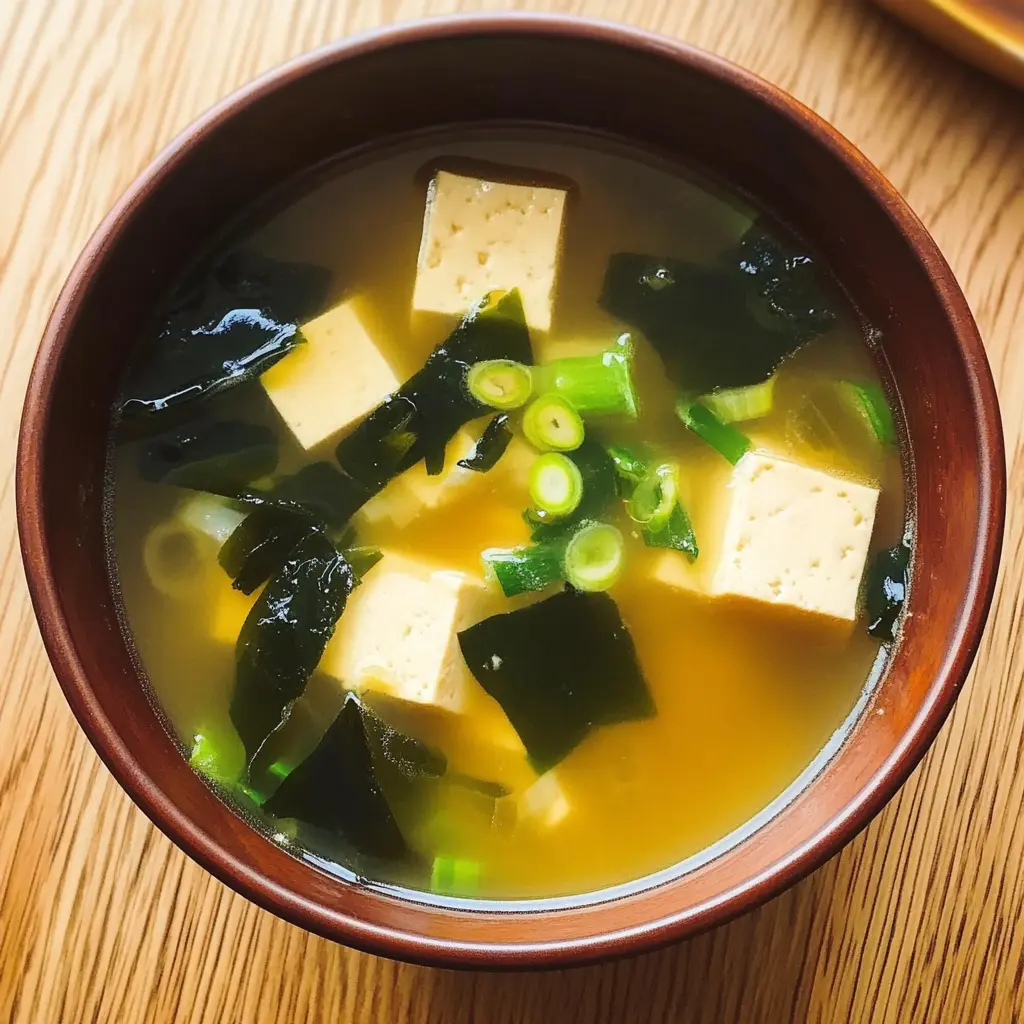
Homemade Miso Soup is a beloved staple in Japanese cuisine, known for its rich, umami-packed broth and nourishing array of ingredients. This traditional soup not only warms the soul but also offers a host of health benefits, from being low in calories to providing gut-friendly probiotics. In this comprehensive guide, we’ll dive into the art of crafting this comforting dish from scratch, ensuring you can enjoy the authentic flavors of Japan in your own kitchen.
Table of Contents
Understanding the Ingredients for Homemade Miso Soup
The key to making a truly exceptional miso soup lies in the interplay of its essential ingredients. Let’s explore the essential components that come together to create this Japanese masterpiece:
Dashi: The Backbone of Miso Soup
Dashi is the foundation of miso soup, providing the savory, umami-rich broth that serves as the soup’s backbone. This Japanese stock is typically made by simmering kombu (dried kelp) and katsuobushi (dried bonito flakes) in water, extracting the natural glutamates that lend the broth its depth of flavor.
Miso: The Flavor Powerhouse
Miso, a fermented soybean paste, is the star ingredient that gives miso soup its signature flavor profile. There are various types of miso, ranging from the light and mild white miso to the bold, salty red miso. The type of miso you choose can greatly impact the overall taste of your soup, so experiment to find your perfect match.
Tofu: The Creamy Texture
Soft or silken tofu is a common addition to miso soup, providing a delicate, creamy texture that balances the bold flavors of the broth. The tofu cubes soak up the surrounding flavors, making each bite a harmonious blend of textures and tastes.
Wakame Seaweed: The Earthy Accent
Wakame, a type of edible seaweed, is often added to miso soup, contributing a subtle oceanic flavor and a pleasantly chewy texture. This nutritious ingredient not only enhances the overall experience but also provides a range of beneficial vitamins and minerals.
Green Onions: The Fresh Garnish
Chopped green onions, or scallions, are the final touch that brings brightness and freshness to the miso soup. Their vibrant green hues and mild onion flavor provide a perfect contrast to the savory broth.
Preparing the Dashi Stock
Creating the perfect dashi stock is the first step in making homemade miso soup. Here’s a step-by-step guide:
- Ingredients: 4 cups water, 1 piece kombu (dried kelp), 1 cup katsuobushi (dried bonito flakes)
- In a pot, combine the water and kombu. Heat the mixture until just before boiling, then remove the kombu.
- Add the katsuobushi to the pot and let it steep for 5 minutes.
- Strain the dashi through a fine-mesh sieve or cheesecloth to remove the katsuobushi flakes, leaving you with a clear, flavorful broth.
The dashi can be made in advance and stored in the refrigerator for up to 1 week, making the soup-making process even more efficient.
Preparing the Tofu and Wakame
While the dashi is the backbone of the soup, the other ingredients also play a crucial role in creating the perfect homemade miso soup. Let’s prepare the tofu and wakame:
- Tofu: Cut the soft or silken tofu into small, bite-sized cubes.
- Wakame: Soak the dried wakame seaweed in water until it’s rehydrated and softened, then drain it.</
Having the tofu and wakame ready to go will make the final assembly of the soup quick and effortless.
Combining the Ingredients for Miso Soup
Now that we have the dashi, tofu, and wakame prepared, it’s time to bring everything together and create the ultimate homemade miso soup:
- Return the dashi to the pot and bring it to a gentle simmer.
- Whisk in the miso paste until it’s fully dissolved. Start with 1 tablespoon of miso per cup of dashi and adjust to taste.
- Gently add the cubed tofu and rehydrated wakame to the simmering broth.
- Ladle the soup into bowls and garnish with chopped green onions.
Serve the homemade miso soup warm, allowing the flavors to meld and the ingredients to melt together in perfect harmony.
Serving Suggestions and Variations
Miso soup is often enjoyed as a starter or accompaniment to a larger Japanese meal, but it can also stand on its own as a comforting, nourishing dish. Try pairing it with steamed rice, sushi, or other traditional Japanese sides for a well-rounded dining experience.
As for variations, the possibilities are endless. You can experiment with different types of miso, add additional vegetables like mushrooms or spinach, or even include protein-rich ingredients like shrimp or chicken to make it a more substantial meal.
Common Mistakes to Avoid
When making homemade miso soup, there are a few pitfalls to watch out for:
- Overheating the miso: Be careful not to boil the miso, as this can destroy the beneficial probiotics and alter the flavor.
- Using the wrong type of miso: Make sure to choose the appropriate miso for your desired flavor profile.
- Improperly preparing the dashi: Rushing the dashi-making process can result in a weak, lackluster broth.
By avoiding these common mistakes, you’ll be well on your way to crafting a miso soup that’s both authentic and delicious.
FAQs About Homemade Miso Soup
What ingredients are needed to make homemade miso soup?
The key ingredients for homemade miso soup are dashi (made with kombu and katsuobushi), miso paste, soft or silken tofu, wakame seaweed, and green onions.
Can I make miso soup without dashi stock?
While dashi is the traditional base for miso soup, you can use vegetable or chicken broth as a substitute if needed. However, the flavor profile won’t be as authentically Japanese.
How long does homemade miso soup stay fresh in the fridge?
Homemade miso soup will typically stay fresh in the refrigerator for 3-4 days when stored in an airtight container. Avoid reheating the soup multiple times, as this can affect the flavor and texture.
Can I add vegetables or tofu to miso soup?
Absolutely! Miso soup is a versatile dish that can be customized with a variety of vegetables, such as mushrooms, spinach, or carrots. Adding extra tofu or protein-rich ingredients like shrimp or chicken can also make it a more substantial meal.
Conclusion
Homemade miso soup is a comforting, nourishing, and deeply satisfying dish that allows you to experience the authentic flavors of Japan in your own kitchen. By understanding the key ingredients and mastering the simple steps, you can craft a bowl of miso soup that will transport you to the heart of Japanese culinary tradition. So, gather your ingredients, follow our guide, and enjoy the warming, probiotic-rich goodness of this iconic soup.
More Related Recipes You Might Enjoy
- Crockpot Thai Coconut Chicken Soup
- Vegan Roasted Carrot and Red Pepper Soup
- Smoked Gouda Broccoli Soup
- Tuscan Soup
Looking for more tasty ideas? Visit Elena’s Fast & Flavorful Recipes on Pinterest for a treasure trove of easy meals, comforting bakes, and fun kitchen inspiration!
PrintCreate Your Own Homemade Miso Soup: A Delicious Journey!
Homemade Miso Soup is a beloved staple in Japanese cuisine, known for its rich, umami-packed broth and nourishing array of ingredients.
- Prep Time: 15 minutes
- Cook Time: 10 minutes
- Total Time: 25 minutes
- Yield: 4 servings 1x
- Category: Soup
- Method: Stovetop
- Cuisine: Japanese
- Diet: Vegetarian
Ingredients
- 4 cup water
- 1 piece kombu (dried kelp)
- 1 cup katsuobushi (dried bonito flakes)
- 1 tablespoon miso paste
- 8 ounce soft or silken tofu
- 1/4 cup dried wakame seaweed
- 2 green onions
Instructions
1. 1. In a pot, combine the water and kombu. Heat the mixture until just before boiling, then remove the kombu.
2. 2. Add the katsuobushi to the pot and let it steep for 5 minutes.
3. 3. Strain the dashi through a fine-mesh sieve or cheesecloth to remove the katsuobushi flakes.
4. 4. Cut the soft or silken tofu into small, bite-sized cubes.
5. 5. Soak the dried wakame seaweed in water until it’s rehydrated and softened, then drain it.
6. 6. Return the dashi to the pot and bring it to a gentle simmer.
7. 7. Whisk in the miso paste until it’s fully dissolved.
8. 8. Gently add the cubed tofu and rehydrated wakame to the simmering broth.
9. 9. Ladle the soup into bowls and garnish with chopped green onions.
Notes
Miso soup is often enjoyed as a starter or accompaniment to a larger Japanese meal, but it can also stand on its own as a comforting dish.
Nutrition
- Serving Size: 1 bowl
- Calories: 80
- Sugar: 1g
- Sodium: 600mg
- Fat: 3g
- Saturated Fat: 0.5g
- Unsaturated Fat: 2g
- Trans Fat: 0g
- Carbohydrates: 10g
- Fiber: 1g
- Protein: 5g
- Cholesterol: 0mg
Keywords: miso soup, Japanese soup, comfort food