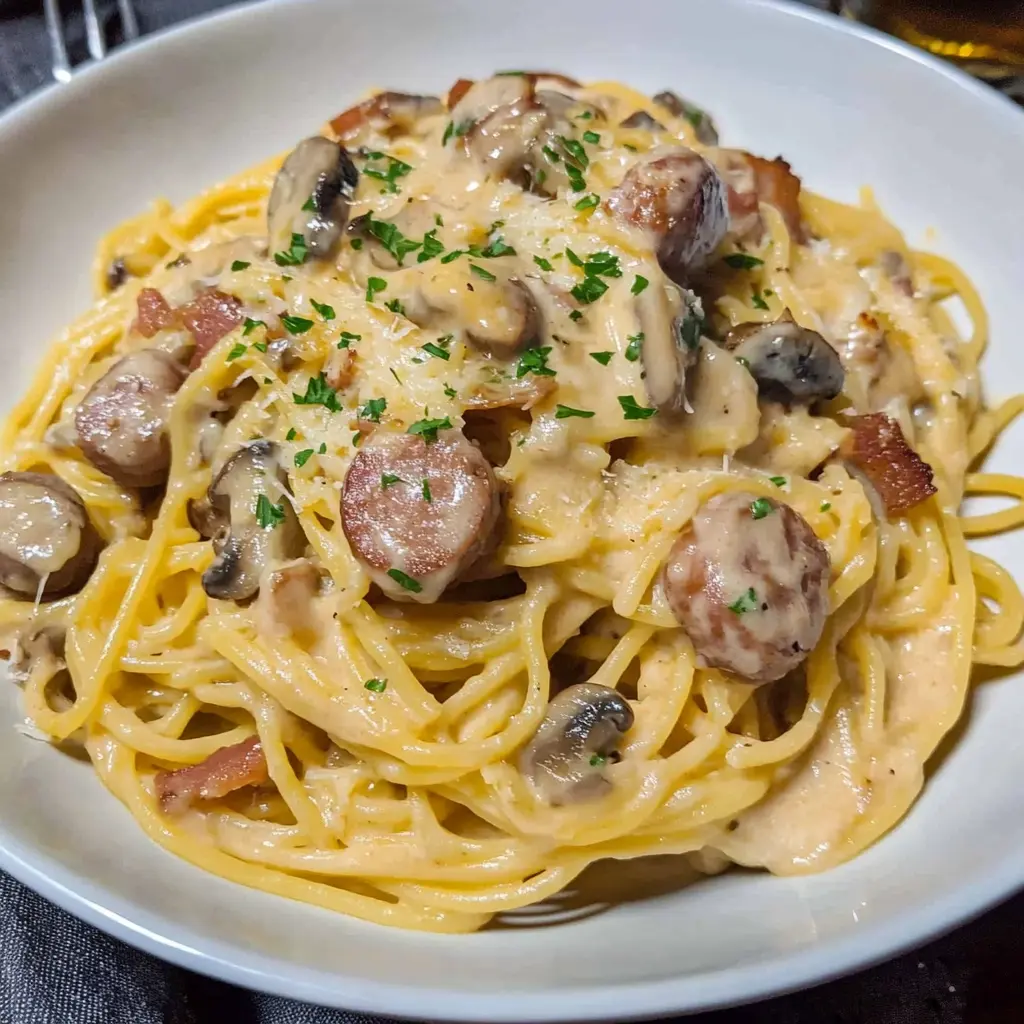
Get ready to embark on a flavorful journey through the heart of German cuisine with our mouthwatering German Spaghetti recipe. This comfort food masterpiece combines the rich, hearty flavors of traditional German ingredients with the beloved Italian staple of spaghetti. Prepare to be transported to a cozy Bavarian kitchen as you indulge in this satisfying and unforgettable dish.
Table of Contents
The Ingredients that Make German Spaghetti Shine
At the core of this German Spaghetti recipe are the high-quality, authentic ingredients that come together to create an unforgettable flavor profile. Let’s take a closer look at what goes into this dish:
- 8 oz uncooked spaghetti
- 1/2 lb bacon, chopped
- 1 lb bratwurst sausage, sliced
- 1 small yellow onion, thinly sliced
- 1 cup baby Bella or button mushrooms, thinly sliced
- 8 oz Hefeweizen or other German beer
- 3 tablespoons unsalted butter
- 3 tablespoons all-purpose flour
- 2 cups milk
- 1 cup cheddar cheese, grated
- 2 tablespoons stoneground mustard
- 1 teaspoon apple cider vinegar
- 1/2 cup sour cream
- 1 tablespoon fresh chives, chopped
- Kosher salt and freshly ground black pepper, to taste
Step-by-Step Instructions for Crafting German Spaghetti
Now that you’ve gathered all the necessary ingredients, let’s dive into the step-by-step process of bringing this German Spaghetti dish to life:
- Cook the spaghetti according to the package directions. Drain and set aside.
- In a large skillet over medium heat, cook the bacon until crispy. Remove the bacon and set it aside, leaving the drippings in the pan.
- Add the sliced bratwurst to the skillet and cook until browned. Remove the bratwurst and set it aside.
- Add the sliced onion and mushrooms to the skillet and cook until softened.
- Pour in the German beer and simmer for 3-5 minutes, allowing it to reduce slightly.
- In a separate saucepan, melt the butter over medium heat. Whisk in the flour and cook for 1 minute.
- Slowly whisk in the milk and cook until the sauce has thickened.
- Stir in the grated cheddar cheese until it has melted, then add the stoneground mustard and apple cider vinegar.
- Remove the sauce from heat and stir in the sour cream.
- Add the cooked spaghetti, bacon, bratwurst, and sautéed vegetables to the cheese sauce. Toss everything together until well combined.
- Season the German Spaghetti with salt and pepper to taste.
- Garnish the dish with the chopped fresh chives and serve warm.
Tips for Perfecting Your German Spaghetti
To ensure your German Spaghetti is a resounding success, consider these helpful tips:
- Choose the Right Beer: The Hefeweizen beer adds a delightful, slightly yeasty flavor to the dish. If you can’t find Hefeweizen, opt for another German-style wheat beer or a pilsner.
- Get Creative with Substitutions: Don’t be afraid to experiment with different meats, such as kielbasa or smoked sausage, if you can’t find bratwurst. You can also swap in different types of mushrooms or add other German-inspired vegetables like sauerkraut or red cabbage.
- Cook for Texture: Be mindful of not overcooking the spaghetti, as you want it to maintain a firm, al dente texture. Similarly, don’t let the vegetables become too soft – aim for a slight crunch.
- Serve it Up Right: German Spaghetti pairs wonderfully with a side of warm, crusty bread or a fresh green salad. Consider offering a selection of German beers or wines to complement the flavors.
Nutritional Information for German Spaghetti
While German Spaghetti is undoubtedly a comforting and indulgent dish, it can also be enjoyed as part of a balanced diet. Here’s a breakdown of the nutritional information per serving:
- Calories: 650 calories
- Protein: 32g
- Carbohydrates: 58g
- Fat: 35g
- Fiber: 4g
To lighten up the dish, you can consider using turkey or chicken sausage in place of the bratwurst, opt for low-fat milk and cheese, and serve smaller portions. Pairing the German Spaghetti with a fresh salad or roasted vegetables can also help create a more well-rounded, nutritious meal.
Pairings and Serving Suggestions for German Spaghetti
German Spaghetti is a wonderfully versatile dish that pairs beautifully with a variety of accompaniments. For a truly authentic experience, consider serving it alongside:
- German Beers: A crisp Hefeweizen or a robust, malty dunkels beer are excellent choices to complement the flavors of the spaghetti.
- Traditional German Sides: Pair the German Spaghetti with classic German dishes like sauerkraut, potato salad, or warm, soft pretzels.
- Desserts: End the meal on a sweet note with a slice of Black Forest cake, apple strudel, or a decadent German chocolate cake.
FAQs About German Spaghetti
What ingredients are traditionally used in German Spaghetti?
The key ingredients in German Spaghetti include spaghetti, bacon, bratwurst sausage, onions, mushrooms, German beer, butter, flour, milk, cheddar cheese, mustard, and sour cream. These ingredients come together to create the rich, savory flavors that define this unique dish.
Is German Spaghetti a savory or sweet dish?
German Spaghetti is a savory dish, with the main flavors coming from the salty bacon, spicy bratwurst, and creamy cheese sauce. The use of German beer, mustard, and sour cream also contribute to the overall savory profile of the dish.
Can German Spaghetti be made ahead of time?
Yes, German Spaghetti can be made ahead of time and reheated when ready to serve. The spaghetti, bacon, and bratwurst can be cooked in advance and stored separately. The cheese sauce can also be prepared ahead of time and reheated gently before tossing everything together. Just be sure to reheat the dish thoroughly and add any fresh garnishes like chives right before serving.
What variations of German Spaghetti are most popular?
While the classic recipe features bratwurst sausage, some popular variations include using other German sausages like kielbasa or smoked sausage. You can also experiment with different types of mushrooms, add sauerkraut or cabbage, or use a different style of German beer. For a vegetarian option, you could replace the meat with sautéed vegetables or meat alternatives.
More Related Recipes You Might Enjoy
- Authentic German Sauerkraut and Bratwurst
- Bavarian Potato Salad
- Creamy Mushroom Risotto
- Hearty German Beef Stew
Indulge in the Flavors of Germany with German Spaghetti
Discover the delightful fusion of German and Italian cuisines with this mouthwatering German Spaghetti recipe. From the savory bratwurst and bacon to the creamy cheese sauce infused with German beer, every bite transports you to a cozy Bavarian kitchen. Gather your loved ones and indulge in the comforting, flavor-packed goodness of this unique and satisfying dish. Prost!
Looking for more tasty ideas? Visit Elena’s Fast & Flavorful Recipes on Pinterest for a treasure trove of easy meals, comforting bakes, and fun kitchen inspiration!
PrintExperience the Best German Spaghetti Recipe You’ll Love

Get ready to embark on a flavorful journey through the heart of German cuisine with our mouthwatering German Spaghetti recipe. This comfort food masterpiece combines the rich, hearty flavors of traditional German ingredients with the beloved Italian staple of spaghetti. Prepare to be transported to a cozy Bavarian kitchen as you indulge in this satisfying and unforgettable dish.
- Prep Time: 15 minutes
- Cook Time: 30 minutes
- Total Time: 45 minutes
- Yield: 4 servings 1x
- Category: Main Course
- Method: Stovetop
- Cuisine: German
Ingredients
- 8 ounce uncooked spaghetti
- 1/2 pound bacon, chopped
- 1 pound bratwurst sausage, sliced
- 1 small yellow onion, thinly sliced
- 1 cup baby Bella or button mushrooms, thinly sliced
- 8 ounce Hefeweizen or other German beer
- 3 tablespoon unsalted butter
- 3 tablespoon all-purpose flour
- 2 cup milk
- 1 cup cheddar cheese, grated
- 2 tablespoon stoneground mustard
- 1 teaspoon apple cider vinegar
- 1/2 cup sour cream
- 1 tablespoon fresh chives, chopped
- Kosher salt and freshly ground black pepper, to taste
Instructions
1. Cook the spaghetti according to the package directions. Drain and set aside.
2. In a large skillet over medium heat, cook the bacon until crispy. Remove the bacon and set it aside, leaving the drippings in the pan.
3. Add the sliced bratwurst to the skillet and cook until browned. Remove the bratwurst and set it aside.
4. Add the sliced onion and mushrooms to the skillet and cook until softened.
5. Pour in the German beer and simmer for 3-5 minutes, allowing it to reduce slightly.
6. In a separate saucepan, melt the butter over medium heat. Whisk in the flour and cook for 1 minute.
7. Slowly whisk in the milk and cook until the sauce has thickened.
8. Stir in the grated cheddar cheese until it has melted, then add the stoneground mustard and apple cider vinegar.
9. Remove the sauce from heat and stir in the sour cream.
10. Add the cooked spaghetti, bacon, bratwurst, and sautéed vegetables to the cheese sauce. Toss everything together until well combined.
11. Season the German Spaghetti with salt and pepper to taste.
12. Garnish the dish with the chopped fresh chives and serve warm.
Notes
To ensure your German Spaghetti is a resounding success, consider these helpful tips:
Choose the Right Beer: The Hefeweizen beer adds a delightful, slightly yeasty flavor to the dish. If you can’t find Hefeweizen, opt for another German-style wheat beer or a pilsner.
Get Creative with Substitutions: Don’t be afraid to experiment with different meats, such as kielbasa or smoked sausage, if you can’t find bratwurst. You can also swap in different types of mushrooms or add other German-inspired vegetables like sauerkraut or red cabbage.
Cook for Texture: Be mindful of not overcooking the spaghetti, as you want it to maintain a firm, al dente texture. Similarly, don’t let the vegetables become too soft – aim for a slight crunch.
Serve it Up Right: German Spaghetti pairs wonderfully with a side of warm, crusty bread or a fresh green salad. Consider offering a selection of German beers or wines to complement the flavors.
Nutrition
- Serving Size: 1 serving
- Calories: 650
- Sugar: 3g
- Sodium: 900mg
- Fat: 35g
- Saturated Fat: 15g
- Unsaturated Fat: 20g
- Trans Fat: 0g
- Carbohydrates: 58g
- Fiber: 4g
- Protein: 32g
- Cholesterol: 80mg
Keywords: German Spaghetti, Comfort Food