As the springtime blooms and the birds start to chirp, there’s no better way to welcome our feathered friends than with a cheerful Easter Egg Bird Feeder. This delightful DIY project allows you to create unique bird feeders from colorful plastic Easter eggs, transforming your outdoor space into a vibrant avian oasis. Whether you’re a seasoned bird enthusiast or simply looking to engage the whole family in a fun, eco-friendly activity, these Easter Egg Bird Feeders are sure to delight.
Table of Contents
What is an Easter Egg Bird Feeder?
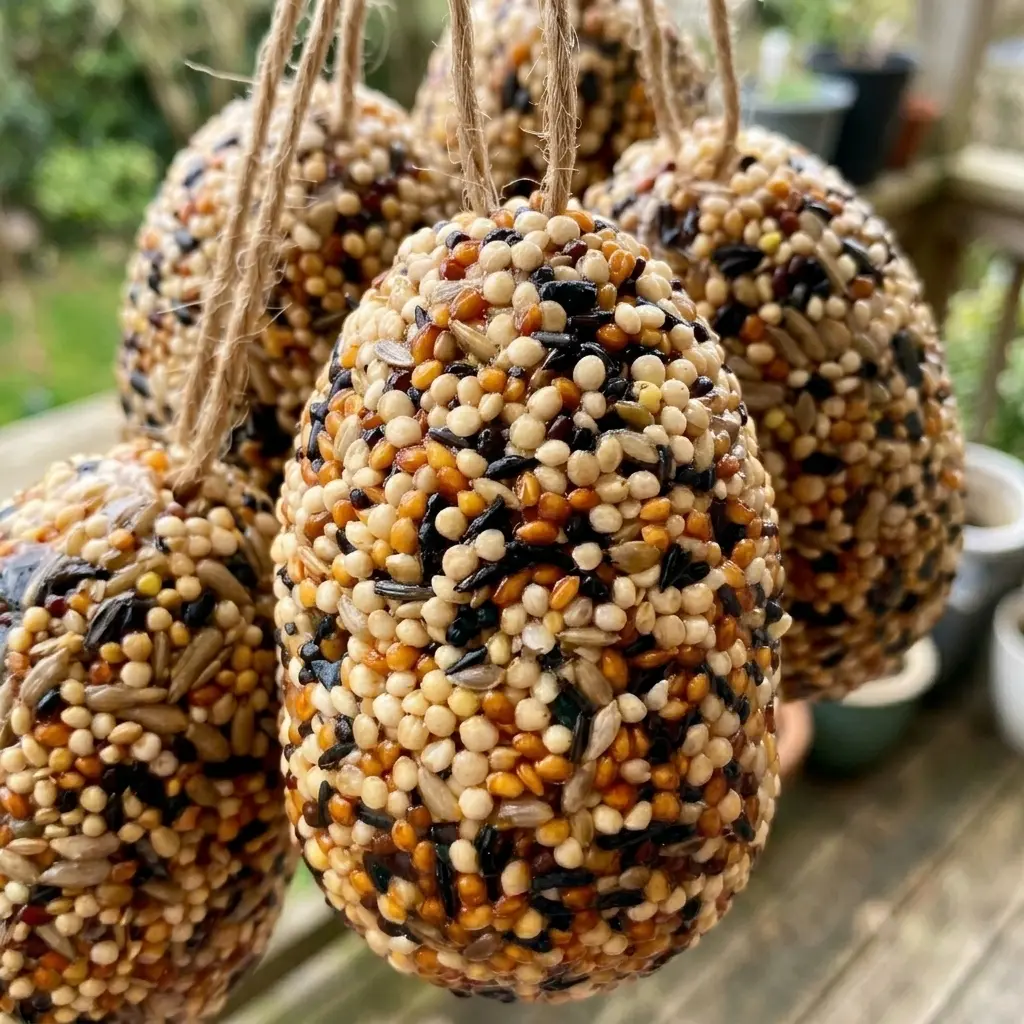
An Easter Egg Bird Feeder is a creative way to repurpose those leftover plastic Easter eggs into functional bird feeders. By filling the hollowed-out eggs with a birdseed mixture and hanging them outside, you can provide a nutritious treat for your local bird population while adding a whimsical touch to your garden or patio.
Benefits of Making Your Own Bird Feeders
Crafting Easter Egg Bird Feeders offers a host of benefits beyond just attracting feathered visitors. It’s a cost-effective and eco-friendly alternative to store-bought bird feeders, allowing you to upcycle materials and reduce waste. Additionally, it’s a wonderful educational opportunity, engaging children and families in hands-on learning about the importance of supporting local wildlife.
Importance of Bird Feeding
Bird feeders play a crucial role in sustaining local bird populations, especially during the colder months when natural food sources may be scarce. By providing a reliable source of nutrition, you can help support the wellbeing of various bird species and contribute to the overall health of your local ecosystem.
Ingredients for Your Easter Egg Bird Feeder
To create your own Easter Egg Bird Feeder, you’ll need a few simple ingredients:
- 1/2 cup cold water
- 2 packages gelatin
- 1/2 cup boiling water
- 2-1/2 cups bird seed
You may also want to have on hand:
- Cooking spray or oil
- Twine for hanging
These supplies can be easily found at your local grocery store, hardware store, or online, making it a convenient project for bird lovers of all ages.
Step-by-Step Instructions
Step 1: Find What You Need
Begin by gathering all the necessary supplies and materials. This includes the plastic Easter eggs, birdseed, gelatin, water, and any other optional items like cooking spray or twine for hanging.
Step 2: Prepare the Birdseed Mixture
In a mixing bowl, combine the 1/2 cup of cold water and 2 packages of gelatin. Stir until the gelatin is fully dissolved, then pour in the 1/2 cup of boiling water and mix well. Finally, add the 2-1/2 cups of bird seed and stir until the mixture is thoroughly combined.
Step 3: Prepare the Egg Mold
Separate the plastic Easter egg into two halves, cutting the plastic hinge if needed. Cut a 12-inch piece of twine and fold it in half, tying a knot near the fold. Slide the ends of the twine up through the holes in the egg top. Generously spray both halves of the egg with cooking spray or lightly brush them with regular cooking oil to prevent sticking.
Step 4: Fill the Mold
Hold the egg halves in one hand (or set them together) and place the knotted twine so it goes into the bottom half of the egg. Carefully fill both halves of the egg with the birdseed mixture, pressing it down with a spoon to ensure it’s well-packed. Close the plastic egg, pressing the halves of the birdseed ornament together.
Step 5: Refrigerate the Eggs
After a few minutes, carefully remove the top of the plastic egg. Repeat the process to make additional Easter Egg Bird Feeders. This amount of birdseed mixture should yield approximately 12 egg-shaped bird feeders, though the exact number may vary depending on the size of the plastic eggs used. Place the completed bird feeders in an egg carton, egg holder, or muffin tin and refrigerate overnight to allow the mixture to set.
Step 6: Remove the Birdseed Ornament
Once the Easter Egg Bird Feeders have chilled and set, gently remove the egg from the bottom half of the shell. Tie the twine into a knot, and your whimsical bird feeder is ready to hang and enjoy!
Tips for Successful Bird Feeding
Best Practices for Hanging Bird Feeders
To attract a variety of bird species, place your Easter Egg Bird Feeders in locations that offer a mix of sun and shade, with nearby trees or shrubs for the birds to perch on. Avoid areas with high foot traffic or close proximity to windows, as these can deter some birds from visiting.
Seasonal Considerations
Adapt your bird feeding practices based on the season. During the colder months, ensure your Easter Egg Bird Feeders are placed in sheltered areas to protect the birds from harsh weather. In the warmer months, consider moving the feeders to shaded spots to help keep the birdseed fresh and prevent spoilage.
Eco-Friendly Tips
For an even more sustainable approach, opt for natural or biodegradable materials when creating your Easter Egg Bird Feeders. This could include using compostable twine or even making your own birdseed mixture with organic ingredients.
Frequently Asked Questions
What types of birds will visit my feeders?
The types of birds that visit your Easter Egg Bird Feeders will depend on your geographic location and the types of birds common to your area. Common visitors may include finches, sparrows, chickadees, titmice, and various species of woodpeckers.
How long will the birdseed ornaments last?
The longevity of your Easter Egg Bird Feeders will depend on several factors, such as the weather conditions and the frequency of visits from birds. In general, the birdseed ornaments can last for several weeks, especially if placed in a shaded, protected area. Keep an eye on the feeders and replenish the seed as needed.
Can I use other seeds or ingredients?
While the standard birdseed mixture is a tried-and-true option, you can experiment with different types of seeds or even add in dried fruit, nuts, or other nutritious ingredients to create your own custom Easter Egg Bird Feeders. Just be sure to choose ingredients that are safe and appealing to your local bird population.
What if I don’t have plastic eggs?
If you don’t have access to plastic Easter eggs, you can get creative with alternative molds for your Easter Egg Bird Feeders. Consider using small paper cups, silicone muffin tins, or even making your own custom molds out of cardboard or other recyclable materials.
More Related Recipes You Might Enjoy
Engaging Children in Bird Feeding
Creating Easter Egg Bird Feeders is a fantastic way to involve children in the joy of birdwatching and nurturing local wildlife. Kids can help with the assembly process, adding their own creative touches by decorating the eggs or choosing their favorite birdseed blends. This hands-on activity not only encourages a connection with nature but also teaches valuable lessons about responsibility and environmental stewardship.
Fun Activities for Kids
In addition to the basic Easter Egg Bird Feeder project, consider incorporating additional activities that engage children, such as creating nature journals to document the birds that visit the feeders or hosting a family birdwatching session to identify the different species.
Educational Benefits
Observing the birds that are attracted to the Easter Egg Bird Feeders can be a captivating educational experience for children. They can learn about the diverse species, their feeding habits, and the important role that bird feeders play in supporting local ecosystems. This can foster a deeper appreciation for the natural world and inspire a lifelong interest in environmental conservation.
Crafting and Creativity
Encourage children to personalize their Easter Egg Bird Feeders by decorating the plastic eggs with paint, stickers, or other embellishments. This allows them to express their creativity while also making their feathered visitors feel extra special.
Conclusion
Crafting Easter Egg Bird Feeders is a delightful and rewarding project that brings the joy of birdwatching into your own backyard. By repurposing those leftover Easter eggs, you can create unique and whimsical feeders that attract a variety of feathered friends while engaging the whole family in an eco-friendly activity. So, gather your supplies, get creative, and watch as your Easter Egg Bird Feeders become a vibrant centerpiece of your outdoor oasis, connecting you with the wonders of nature.
Looking for more tasty ideas? Visit Elena’s Fast & Flavorful Recipes on Pinterest for a treasure trove of easy meals, comforting bakes, and fun kitchen inspiration!
PrintCreate Your Own Easter Egg Bird Feeder: A Fun Spring Project!
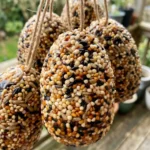
Create unique bird feeders from colorful plastic Easter eggs by filling them with a nutritious birdseed mixture.
- Prep Time: 15 minutes
- Cook Time: 0 minutes
- Total Time: 15 minutes
- Yield: 12 feeders 1x
- Category: DIY
- Method: Crafting
- Cuisine: N/A
Ingredients
- 1/2 cup cold water
- 2 packages gelatin
- 1/2 cup boiling water
- 2–1/2 cup bird seed
Instructions
1. 1. Gather all necessary supplies including plastic Easter eggs, birdseed, gelatin, and water.
2. 2. In a mixing bowl, combine the 1/2 cup of cold water and 2 packages of gelatin. Stir until fully dissolved, then pour in the 1/2 cup of boiling water and mix well. Add the 2-1/2 cup of bird seed and stir until thoroughly combined.
3. 3. Separate the plastic Easter egg into two halves and prepare a piece of twine for hanging. Spray both halves of the egg with cooking spray or brush with oil to prevent sticking.
4. 4. Fill both halves of the egg with the birdseed mixture, pressing down to pack it well. Close the egg halves together.
5. 5. Refrigerate the filled eggs overnight to allow the mixture to set.
6. 6. Once set, remove the bottom half of the shell, tie the twine into a knot, and hang your bird feeder.
Notes
This recipe yields approximately 12 egg-shaped bird feeders. Adjust quantities based on the size of your plastic eggs.
Nutrition
- Serving Size: 1 feeder
- Calories: 50
- Sugar: 0g
- Sodium: 0mg
- Fat: 0g
- Saturated Fat: 0g
- Unsaturated Fat: 0g
- Trans Fat: 0g
- Carbohydrates: 10g
- Fiber: 1g
- Protein: 2g
- Cholesterol: 0mg
Keywords: bird feeder, Easter, DIY